Archives
- 2026-03
- 2026-02
- 2026-01
- 2025-12
- 2025-11
- 2025-10
- 2025-09
- 2025-03
- 2025-02
- 2025-01
- 2024-12
- 2024-11
- 2024-10
- 2024-09
- 2024-08
- 2024-07
- 2024-06
- 2024-05
- 2024-04
- 2024-03
- 2024-02
- 2024-01
- 2023-12
- 2023-11
- 2023-10
- 2023-09
- 2023-08
- 2023-07
- 2023-06
- 2023-05
- 2023-04
- 2023-03
- 2023-02
- 2023-01
- 2022-12
- 2022-11
- 2022-10
- 2022-09
- 2022-08
- 2022-07
- 2022-06
- 2022-05
- 2022-04
- 2022-03
- 2022-02
- 2022-01
- 2021-12
- 2021-11
- 2021-10
- 2021-09
- 2021-08
- 2021-07
- 2021-06
- 2021-05
- 2021-04
- 2021-03
- 2021-02
- 2021-01
- 2020-12
- 2020-11
- 2020-10
- 2020-09
- 2020-08
- 2020-07
- 2020-06
- 2020-05
- 2020-04
- 2020-03
- 2020-02
- 2020-01
- 2019-12
- 2019-11
- 2019-10
- 2019-09
- 2019-08
- 2019-07
- 2019-06
- 2018-07
-
br Materials and methods br Results br Discussion The curren
2022-08-03

Materials and methods Results Discussion The current study validates a key role for GAL3 receptors in consummatory drive for sucrose, saccharin, and most notably ethanol intake in mice. We show that alcohol preferring mice drink less ethanol compared to wildtype mice when treated with the G
-
Tanshinone IIA---sulfonic sodium Some clinical reports have
2022-08-03
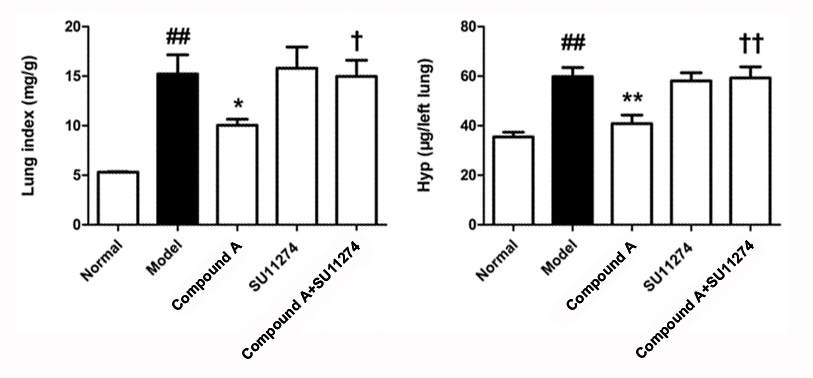
Some clinical reports have suggested that galanin has a role in the neurobiology of mood disorders [[6], [7], [8], [9], [10]]. In behavioral studies, contradictory results have been reported [11,12]. For example, systemic administration of non-selective galanin receptor agonists, such as galmic [13]
-
Because AM had limited efficacy on rodent GPR we
2022-08-03
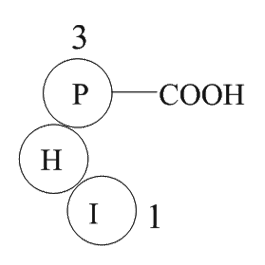
Because (AM-3189) had limited efficacy on rodent GPR40, we used two rodent models expressing human GPR40 to demonstrate efficacy of (AM-3189). First, we used human islet transplanted nude mice. In this model, endogenous pancreatic β-cells were ablated using streptozotocin, and mice were rescued to
-
By measuring the accumulation of unprenylated Rap a
2022-08-03
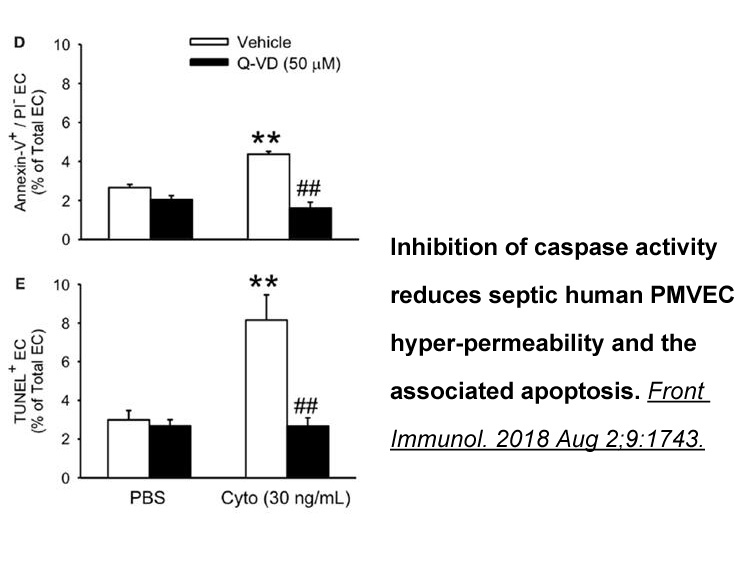
By measuring the accumulation of unprenylated Rap1a as a surrogate marker for the inhibition of FPPS [8], [9], [10], [11], we found that upregulation of FPPS expression in Hela cells reduced the accumulation of unprenylated Rap1a in response to 24h' treatment with 0–50μM ZOL. As expected, cells cult
-
ADAM has two alternative splicing forms
2022-08-03
ADAM12 has two alternative splicing forms, a membrane-anchored long form (ADAM12-L) and a secreted short form (ADAM12-S). Both the long and short forms have metalloproteinase, disintegrin, cysteine-rich, and epidermal growth factor-like domains and can shed pro-heparin binding-epidermal growth facto
-
Septic shock a condition where endothelium derived
2022-08-03
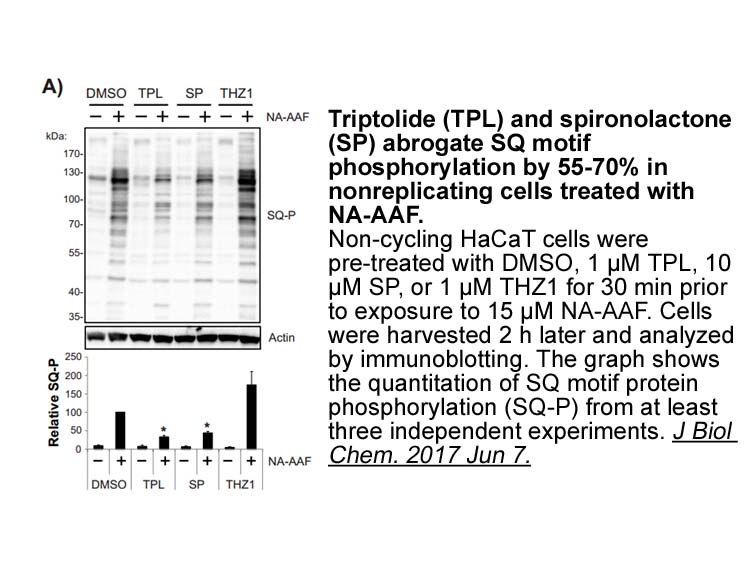
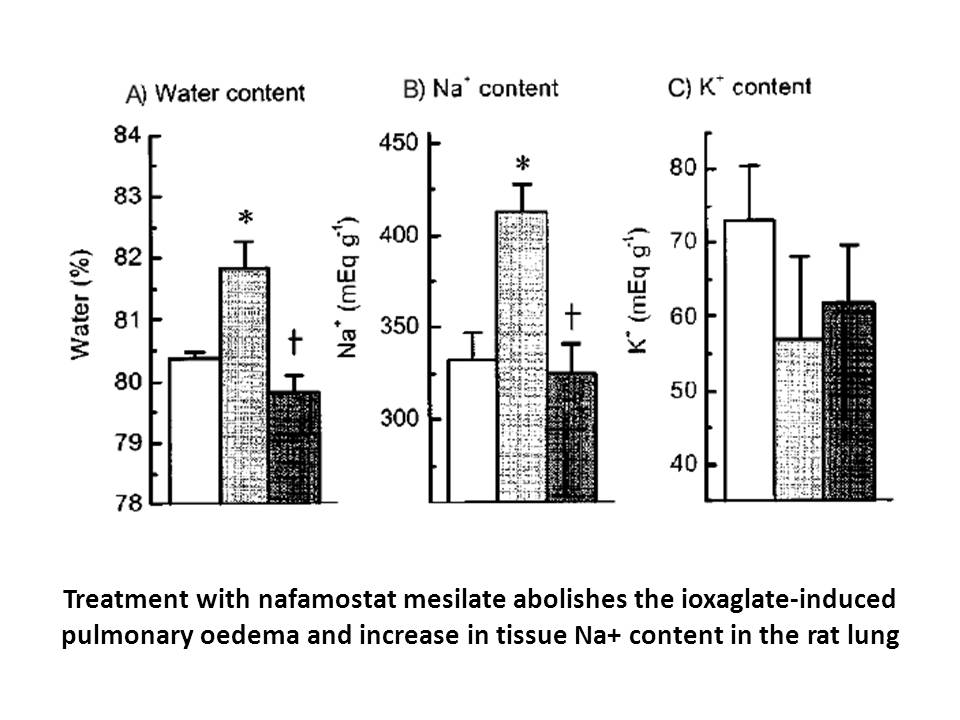
Septic shock, a condition where endothelium-derived substances most likely play an important role, is often accompanied by cardiac dysfunction, pulmonary hypertension, systemic hypotension and impaired oxygen utilisation with systemic acidosis (Vincent, 1998). Experimental endotoxaemia shows a simil
-
This profound cell type specificity of G
2022-08-03
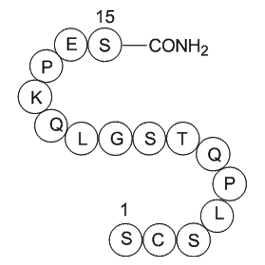
This profound cell-type specificity of G9a/GLP complex modulation of neuronal plasticity is accentuated by studies employing genetic ablation of G9a in dopamine 1 receptor (Drd1)- and dopamine 2 receptor (Drd2)-expressing medium spiny neurons (MSNs) in the nucleus accumbens (NAc). Conditional G9a kn
-
THZ1 Hydrochloride mg Reactivation of memory engram neurons
2022-08-03

Reactivation of memory engram neurons underlies memory retrieval. Neurons activated during memory formation are reactivated during the memory test 24, 25, 32. The reactivation is observed in the cerebral cortex as well as in the hippocampus and amygdala 33, 34. The ratio of the reactivation correlat
-
Therefore we believe that HIF mediated effects on
2022-08-03
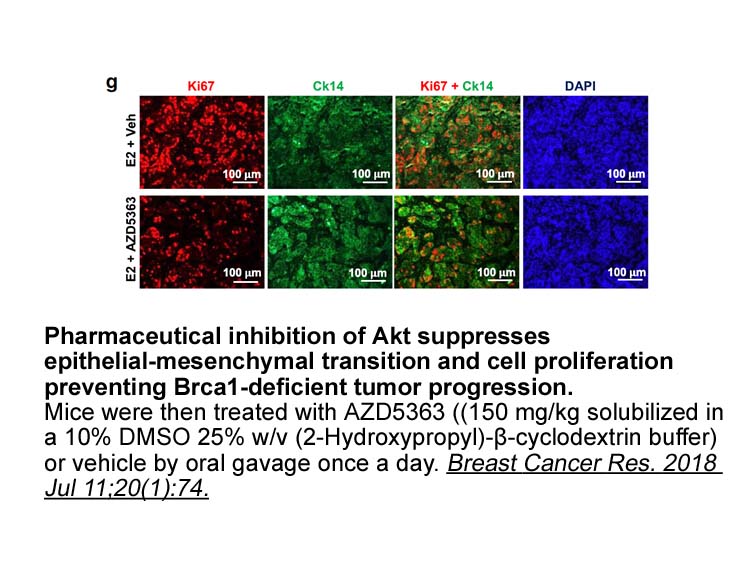
Therefore, we believe that HIF-mediated effects on CSC markers, apoptosis are mediated through HO-1. Our plan is to look for more mechanistic studies to understand the role of HO-1 degradation products (CO, Fe, and bilirubin) in cellular apoptosis, stemness under hypoxia. The model of role of HO-1 i
-
Historically pharmacological investigations have been carrie
2022-08-02
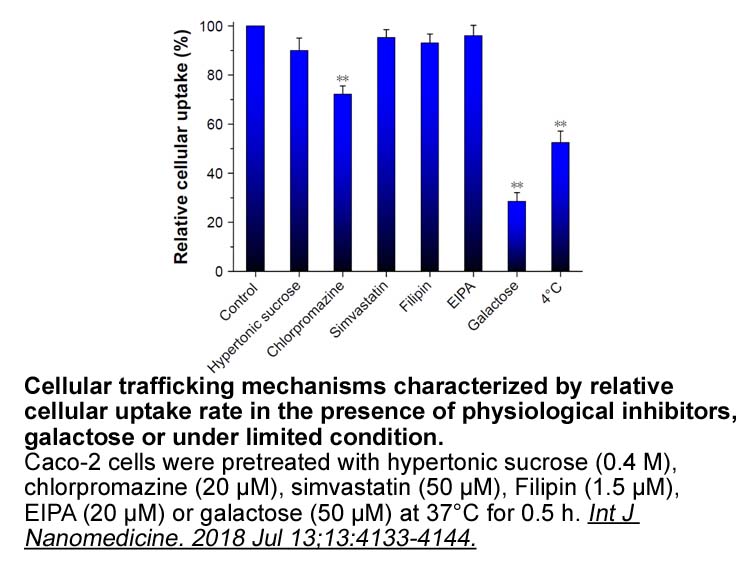
Historically, pharmacological investigations have been carried out by first identifying a biological response to a ligand, and then subsequently using that ligand to identify the receptor(s) responsible for the response (Wilson et al., 1998). However, this approach needed revision with the discovery
-
One clue to how evolution has solved such spatiotemporal
2022-08-02

One clue to how evolution has solved such spatiotemporal challenges comes from studies revealing that lymph node (LN) organization is more complex than originally presumed, suggesting that steady-state microanatomical features are crucial for effective immune responses (reviewed by Qi et al., 2014).
-
Histamine functions as a key
2022-08-02
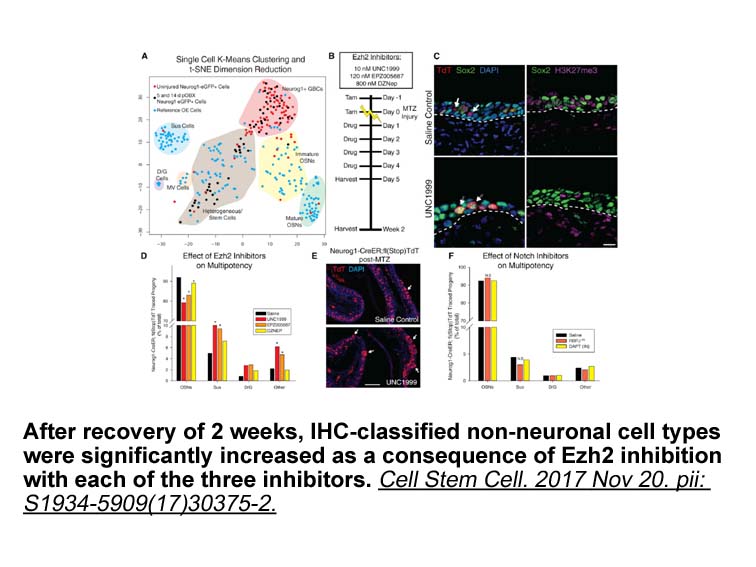
Histamine functions as a key neurotransmitter in multiple circuits to control various behaviors. In Drosophila photoreceptor, salubrinal is produced de novo by histidine decarboxylase (Burg et al., 1993); meanwhile, maintaining normal histamine content also depends on the histamine recycling pathway
-
br Inclusion exclusion criteria br Quality assessment All st
2022-08-02
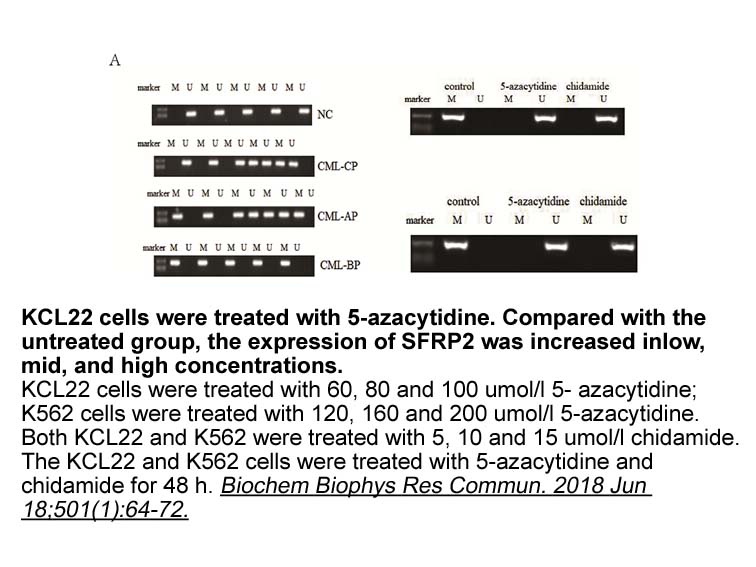
Inclusion/exclusion criteria Quality assessment All studies included in the qualitative synthesis were evaluated using the Quality Assessment Tool for Quantitative Studies (QATQS), which allows to determine their methodological quality. QATQS assesses 8 sections: selection bias, study design,
-
After ischemia expression of transcription factors including
2022-08-02
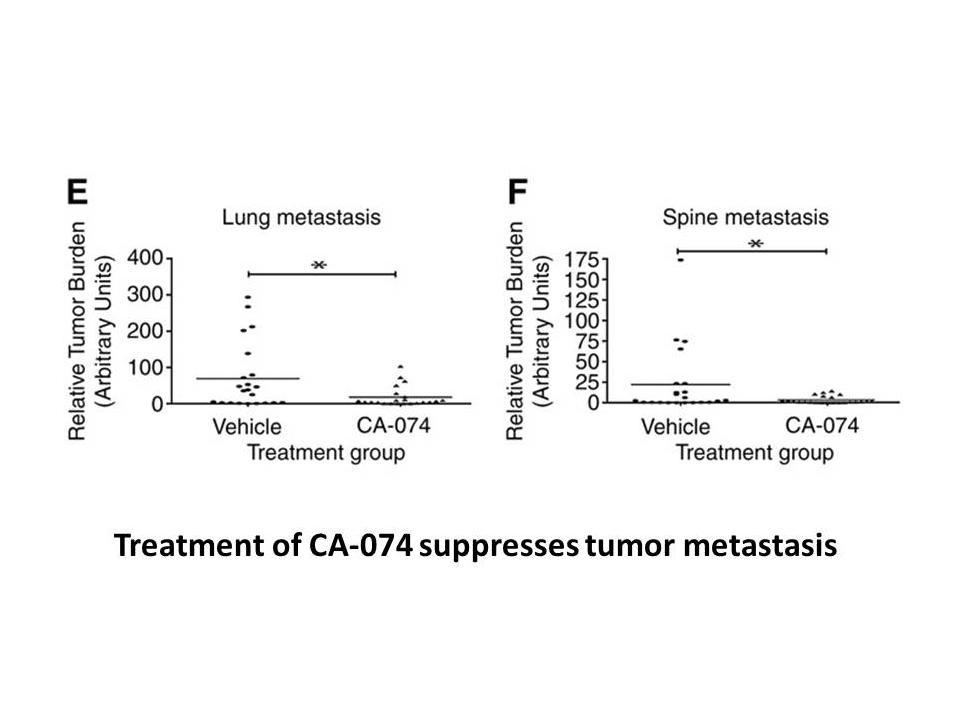
After ischemia, expression of transcription factors, including products of immediate early genes, stress proteins and neurotrophic factors are also altered in CA1 neurons78, 79. These proteins are potential candidates for downregulating of GluR2 expression by reducing mRNA transcription or stability
-
br Materials and methods br Results br
2022-08-02
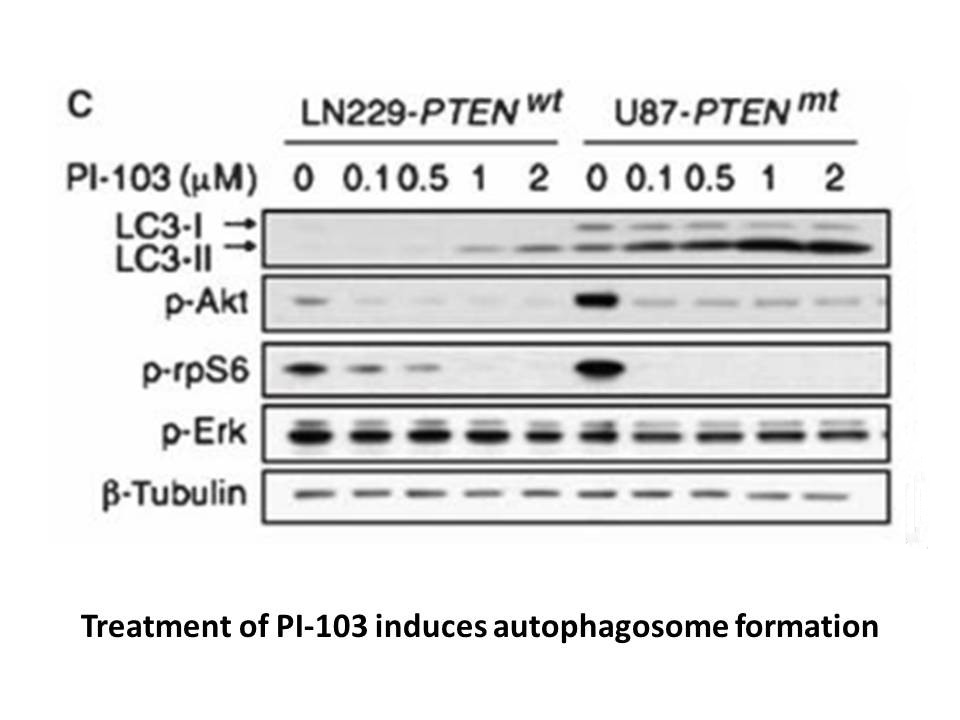
Materials and methods Results Discussion Although homologues of the β-galactosidase gene were known to exist in the Xenopus genome, and SA-β-gal activity has been detected in whole-mount Xenopus embryos by histochemical staining (Davaapil et al., 2017), no reports have been presented so far
15025 records 398/1002 page Previous Next First page 上5页 396397398399400 下5页 Last page