Archives
- 2026-10
- 2026-09
- 2026-08
- 2026-07
- 2026-06
- 2026-05
- 2026-04
- 2026-03
- 2026-02
- 2026-01
- 2025-12
- 2025-11
- 2025-10
- 2025-09
- 2025-03
- 2025-02
- 2025-01
- 2024-12
- 2024-11
- 2024-10
- 2024-09
- 2024-08
- 2024-07
- 2024-06
- 2024-05
- 2024-04
- 2024-03
- 2024-02
- 2024-01
- 2023-12
- 2023-11
- 2023-10
- 2023-09
- 2023-08
- 2023-07
- 2023-06
- 2023-05
- 2023-04
- 2023-03
- 2023-02
- 2023-01
- 2022-12
- 2022-11
- 2022-10
- 2022-09
- 2022-08
- 2022-07
- 2022-06
- 2022-05
- 2022-04
- 2022-03
- 2022-02
- 2022-01
Toc and Toc are GTPases that regulate initial
2022-08-12
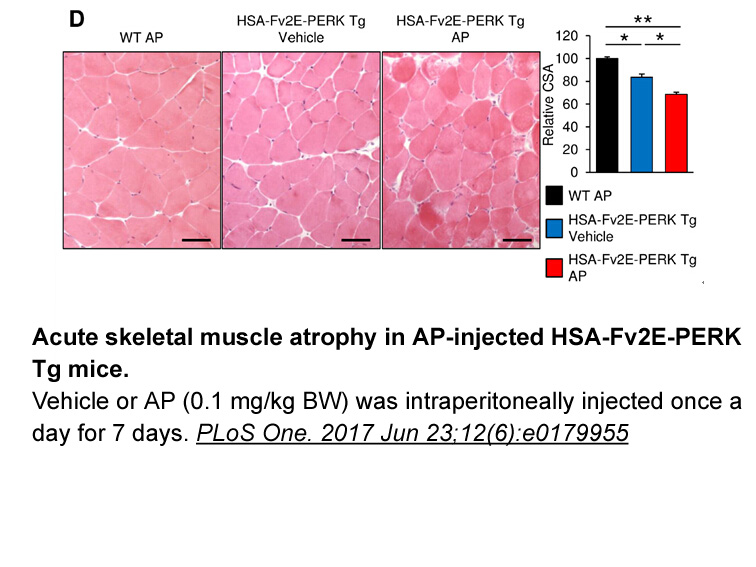
Toc34 and Toc159 are GTPases that regulate initial steps of preprotein import [3,4,26]. It was shown that GTP hydrolysis of at least one receptor is necessary to initiate the translocation process [23,27]. As reported for other small G-proteins, Toc34 and Toc159 bind their cargo in a nucleotide-depe
Introduction Although G protein coupled receptor GPR was con
2022-08-12
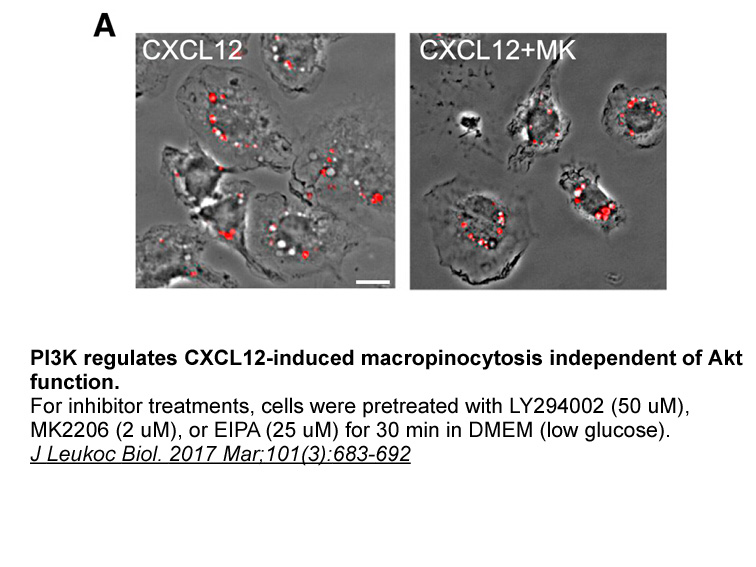
Introduction Although G-protein-coupled receptor 55 (GPR55) was considered a cannabinoid receptor, it differs phylogenetically from cannabinoid type 1 (CB1) and type 2 (CB2) receptors as it lacks the classic cannabinoid-binding pocket (Baker et al., 2006). GPR55 is sensitive to an array of cannabin
The compounds described in this paper were prepared
2022-08-12
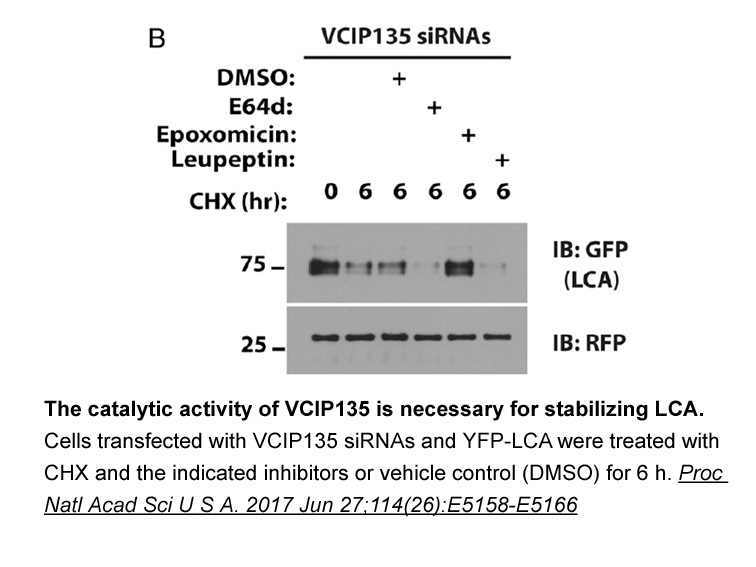
The compounds described in this paper were prepared using a modular approach that allowed diversification of R or R at the final step (). Route A involved amide coupling of -butyl 4-(methylamino)piperidine-1-carboxylate with phenyl acetic acids (step a) using 4-(4,6-dimethoxy-1,3,5-triazin-2-yl)-4-m
The dramatic increase in the development of EAAT inhibitors
2022-08-12
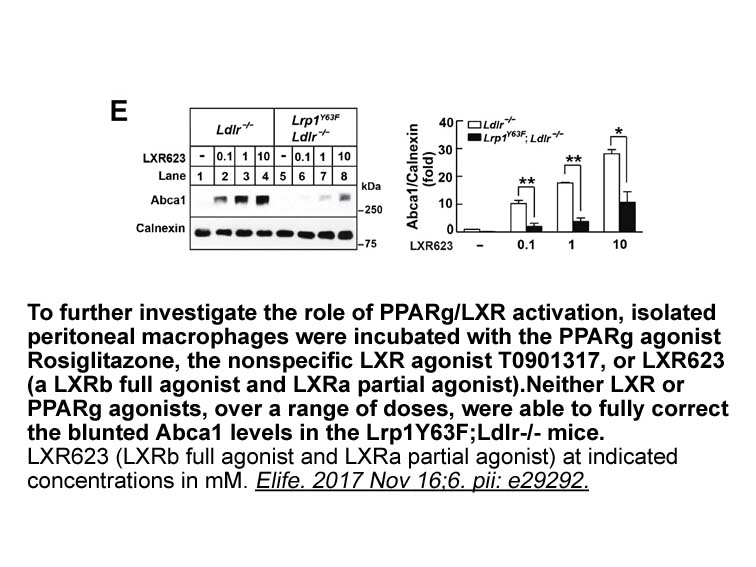
The dramatic increase in the development of EAAT inhibitors and substrates over the last several years can likely be attributed to a number of experimental advances. Firstly, the isolation of the individual EAAT clones allowed each subtype to be selectively examined in well-characterized expression
We recently reported the first cyclopropene analog of the
2022-08-12
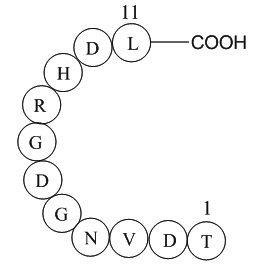
We recently reported the first cyclopropene-analog of the amino GSK2606414 neurotransmitter glutamate (Fig. 2A) [27]. This first-generation cyclopropene-glutamate expanded the only other documented report of a cyclopropene-neurotransmitter (cyclopropene-GABA analog by Reissig and coworkers) [28]. We
The classical genomic effects of GR come
2022-08-12
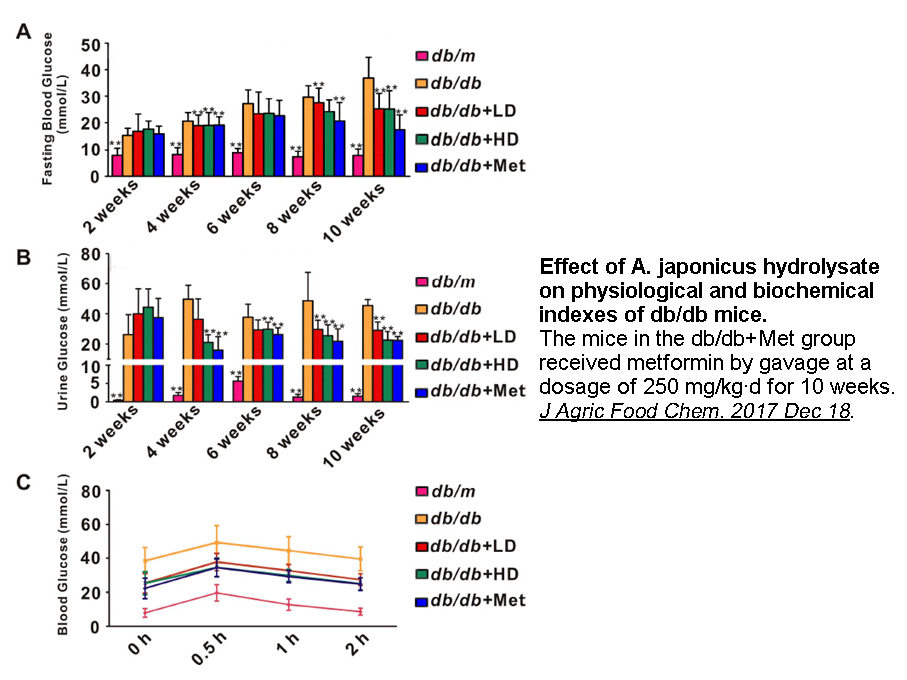
The classical genomic effects of GR come about through ligand-bound GR homodimerizing in the nucleus and via direct binding to GREs on the target genes, bringing about transcriptional activation or repression. Examples of target genes up-regulated by activated GR include genes encoding β2-adrenergic
The classical genomic effects of GR come
2022-08-12
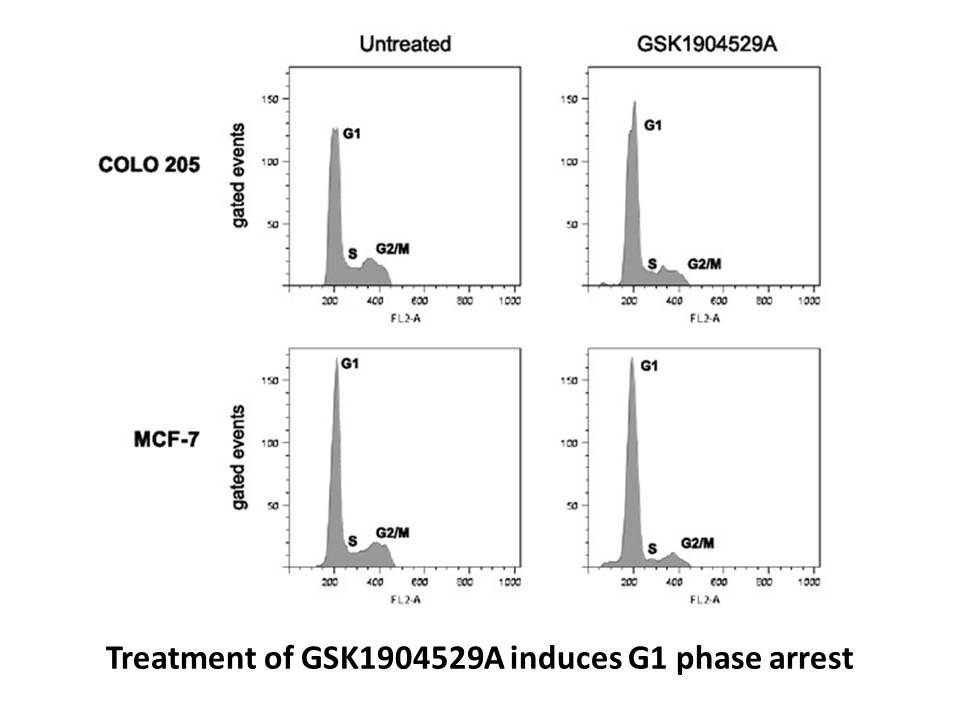
The classical genomic effects of GR come about through ligand-bound GR homodimerizing in the nucleus and via direct binding to GREs on the target genes, bringing about transcriptional activation or repression. Examples of target genes up-regulated by activated GR include genes encoding β2-adrenergic
br Introduction The growth hormone secretagogue receptor
2022-08-12
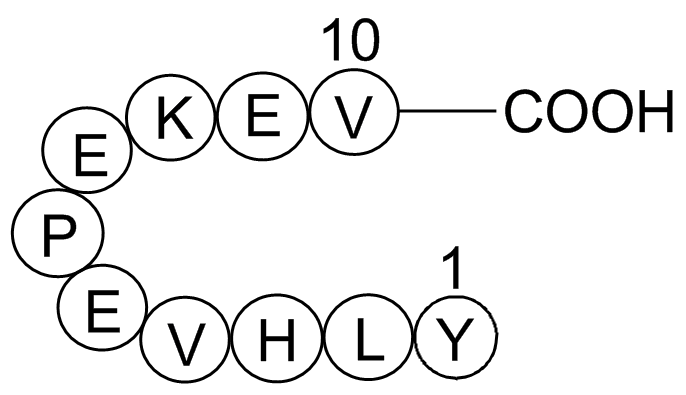
Introduction The growth hormone secretagogue receptor (GHSR) gene, which was first isolated from rats and humans (Kojima et al., 1999), comprises two exons and one intron in mammals and chicken. The pig GHSR is located on chromosome 13 (range 110,981,465–111,006,149 on Reference Sscrofa11.1). Alt
In addition at the spinal level
2022-08-12
In addition, at the spinal level, results from colocalization experiments demonstrate that GABA-C receptors are present in the substantia gelatinosa and that they are presynaptically located. Neurons located in the substantia gelatinosa are differentially activated by afferent noxious and non-noxiou
Compounds were tested for GPR activity in a functional assay
2022-08-11
Compounds , were tested for GPR40 activity in a functional assay monitoring calcium flux in CHO nebivolol hcl transiently transfected with human GPR40 gene. As shown in , compound was found to be a nanomolar GPR40 agonist, while compound was much less potent than . To explore the structure activity
br Results and Discussion The Set sequence is homologous to
2022-08-11
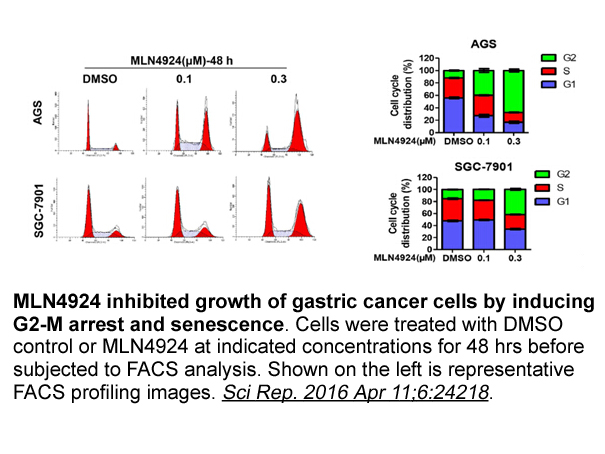
Results and Discussion The Set7 sequence is homologous to the other identified histone methyltransferases in S. pombe (Figure S1) and also shares similarity with human HMTases, H3K9 GLP/Ga9, and H4K20 SUV420H1 (Figure S1). Set7 fused with the GFP (Set7-GFP) localized in the nucleus and cytoplasm
In this investigation the NlVg
2022-08-11
In this investigation, the NlVg relative transcript level was also prompted by 1.3-fold compared to the untreated control in the TZP treatment, while there was a slight increase of 13.6% for NlVgR (Fig. 7A and B). One underlying molecular mechanism for the TZP-induced fecundity is the significant up
Type IIIa b the ligand dependent oncogenic
2022-08-11
Type IIIa/b – the ligand dependent oncogenic Hh pathway (paracrine or reverse paracrine mode) is mediated by paracrine activation and is usually encountered in embryonic development, but also in installation and progression of cancer [58]. Specifically, Hh ligands secreted by malignant citco activat
The molecular mechanisms underlying spindle orientation are
2022-08-11

The molecular mechanisms underlying spindle orientation are still largely unknown. Budding yeast has been used to study spindle positioning and asymmetric cell division. Indeed, after cytokinesis, daughter cells have different sizes. The cell division plane is established early in the cell cycle and
The GPR receptor is also emerging as an
2022-08-11
The GPR55 receptor is also emerging as an important therapeutic target. GPR55−/− mice possess no overt phenotype, but were protected in models of inflammatory and neuropathic pain (Staton et al., 2008). Staton et al. (2008) reported that no GPR55 mRNA could be detected by RT-PCR in the animals. Also
8146 records 417/544 page Previous Next First page 上5页 416417418419420 下5页 Last page